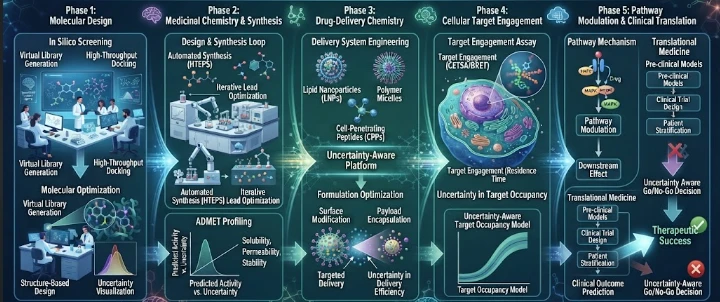
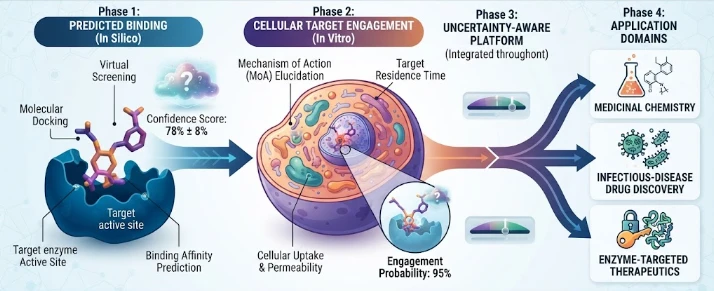
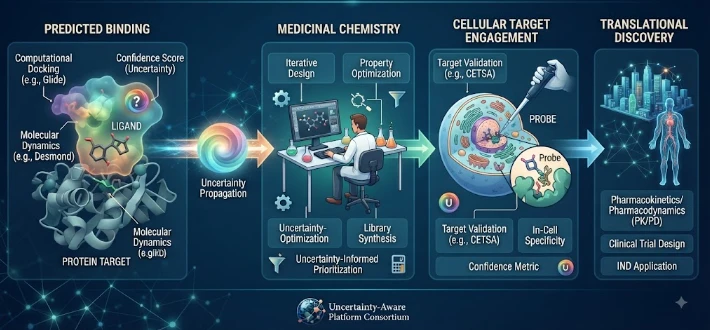
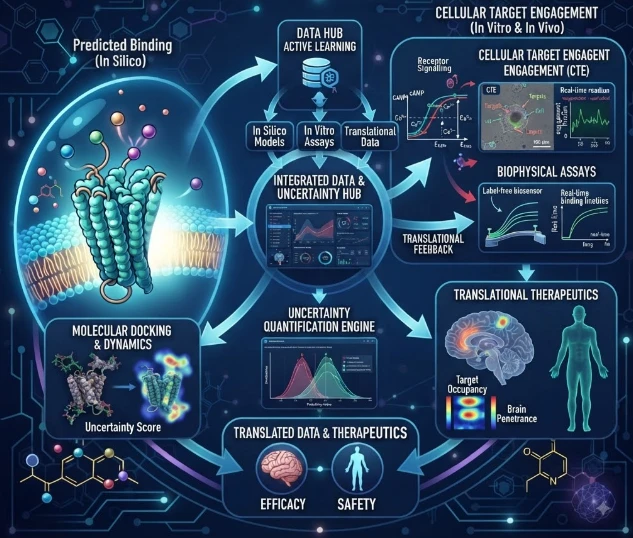
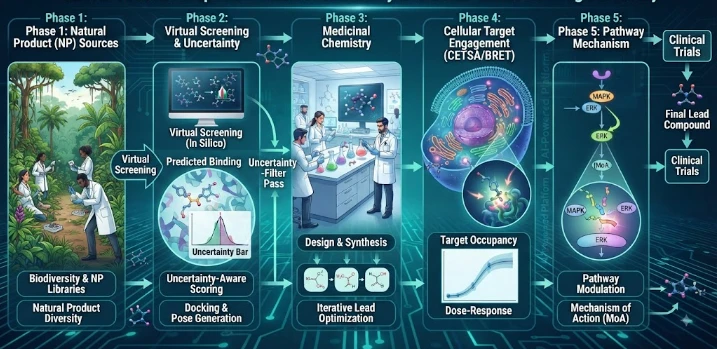
This article describes an uncertainty-aware platform for moving from predicted molecular binding to validated cellular target engagement in medicinal chemistry and drug-delivery research. Docking and machine-learning predictions can rapidly prioritize compounds, but they do not establish that a molecule reaches, occupies, and functionally modulates a target inside relevant cells. The article therefore separates predicted affinity from free intracellular concentration, subcellular localization, t
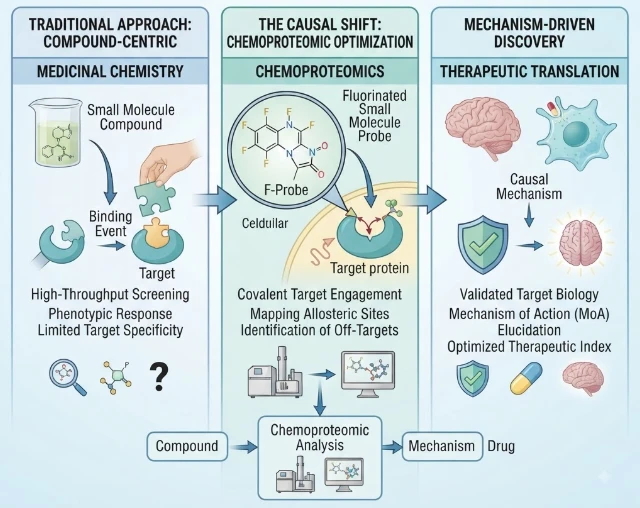
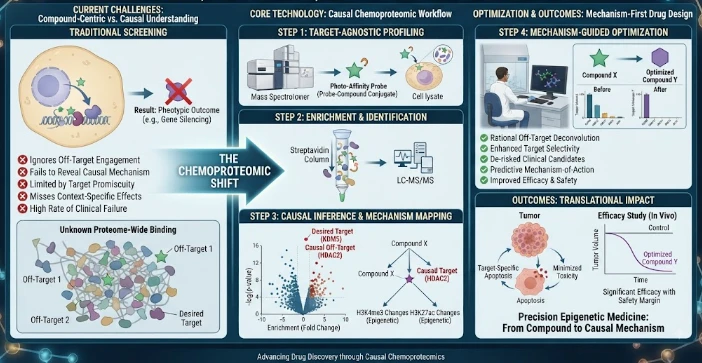
This article explores fluorinated medicinal chemistry through causal chemoproteomics, emphasizing that fluorine substitution can alter far more than potency. A single positional change can modify conformation, pKa, lipophilicity, metabolic stability, target interactions, intracellular exposure, and off-target biology. The article therefore tests whether fluorinated analogues change cellular phenotype through intended target engagement rather than hidden polypharmacology. Matched molecular pairs
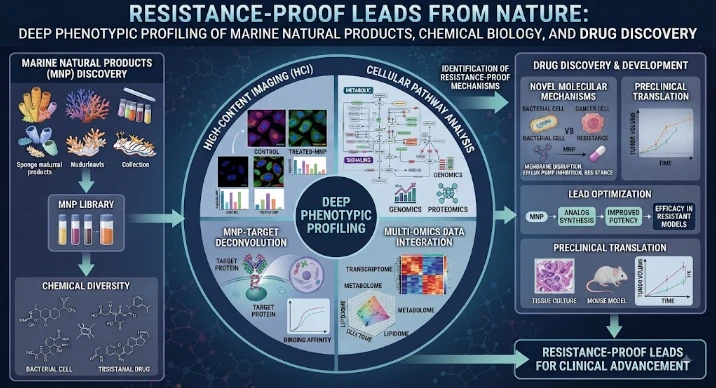
This article presents resistance-aware marine natural-product discovery as a mechanistic process rather than a search for isolated high-potency hits. It explains how activity from marine extracts or fractions can disappear during purification or fail under resistance pressure, making deep phenotypic profiling essential. Morphology, viability kinetics, organelle function, transcriptional state, metabolism, and recovery after washout are combined to connect phenotype with mechanism. The article em
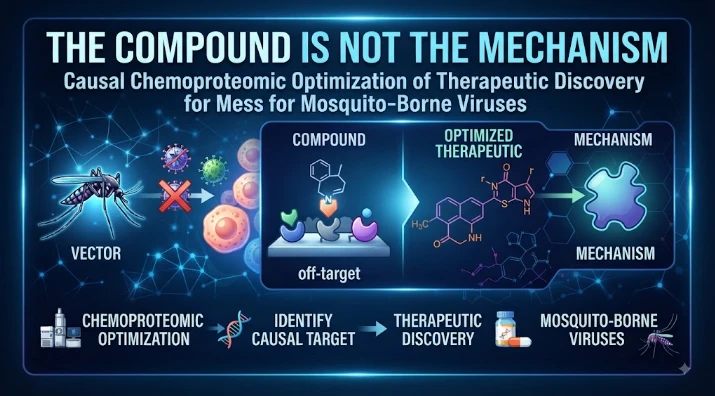
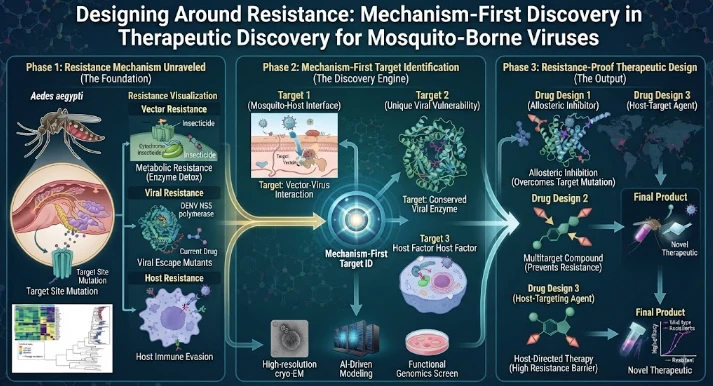
This article argues that an antiviral compound should be treated as a tool for discovering mechanism rather than as proof of mechanism itself. Focused on mosquito-borne viruses, it explains how chemoproteomics can connect phenotypic antiviral activity to direct protein interactions and then determine which interactions are causally responsible for reduced viral replication. Affinity probes, competition experiments, photo-crosslinking, thermal proteome profiling, cellular thermal shift assays, an
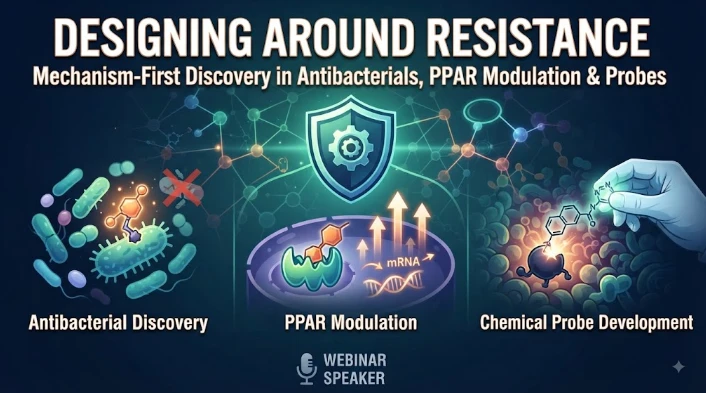
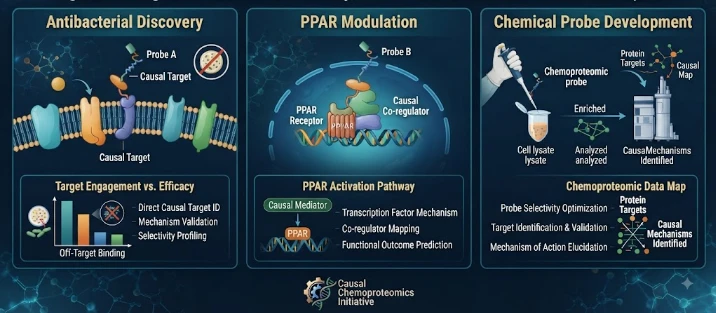
This article integrates antibacterial discovery, PPAR modulation, and chemical probe development within a resistance-aware mechanistic framework. It emphasizes that infection-model activity can arise from direct bacterial killing, host metabolic modulation, anti-inflammatory effects, or combinations of these processes. Chemical probes, bacterial genetics, and isoform-selective receptor assays are therefore needed to keep bacterial and host mechanisms distinct. Bacterial species, growth state, ta
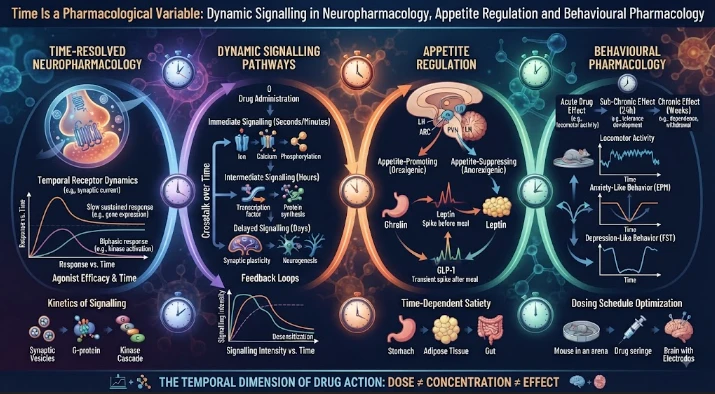
This article treats time as a core pharmacological variable in neuropharmacology, appetite regulation, and behavioral therapeutics. Receptor signaling, neural circuits, gut hormones, reward pathways, autonomic output, and metabolic feedback operate over different timescales, meaning that a single endpoint can hide onset, adaptation, desensitization, rebound, or delayed behavioral compensation. The article links receptor binding to second-messenger kinetics, neuronal firing, circuit activity, fee
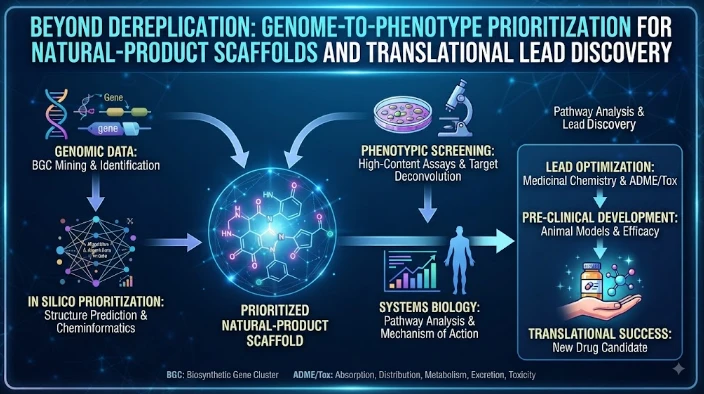
This article moves natural-product discovery beyond simple dereplication by proposing genome-to-phenotype prioritization. It explains how genome sequencing can reveal biosynthetic gene clusters that represent far more chemical potential than is observed under standard culture conditions, but also stresses that a predicted cluster is not automatically a useful drug lead. Metabolomics, gene deletion, isotopic labeling, heterologous expression, pathway activation, and phenotype screening are presen
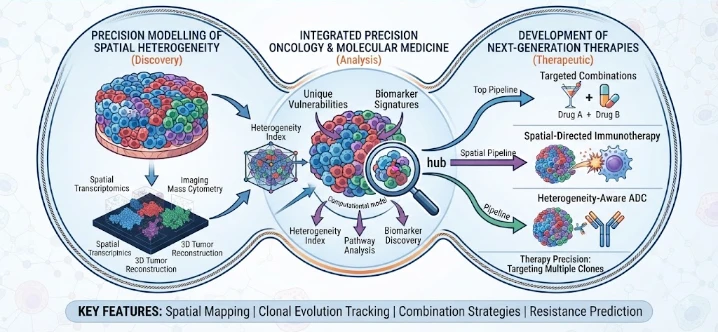
This article frames tumor spatial heterogeneity as a therapeutic target in precision oncology. Tumors contain distinct clones, immune niches, stromal barriers, vascular regions, metabolic states, and drug-sensitive or drug-resistant microenvironments that cannot be captured by a single biopsy or bulk average. The article links clone location, cell–cell interaction, vascular access, immune state, pathway activity, local drug exposure, and regional treatment response using spatial transcriptomics,
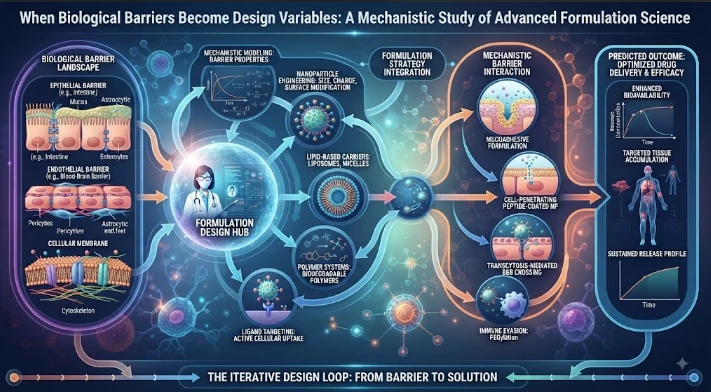
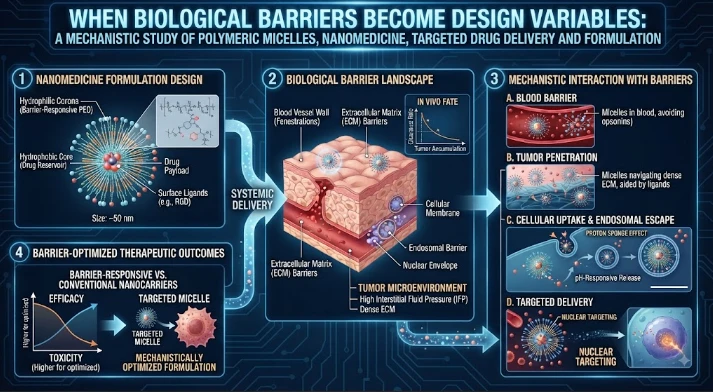
This article reframes advanced formulation science by treating biological barriers as design variables that can be measured, modeled, and engineered around. Formulations must often cross mucus, epithelial layers, extracellular matrix, vascular barriers, immune clearance pathways, and intracellular compartments before a therapeutic effect is possible. The article links formulation attributes such as particle size, shape, charge, hydrophilicity, ligand density, stiffness, release rate, and degrada
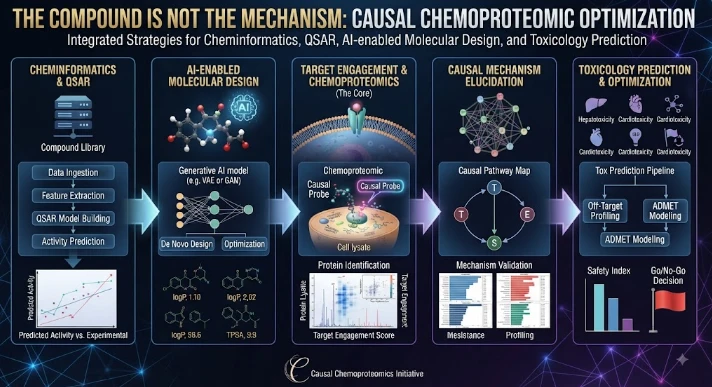
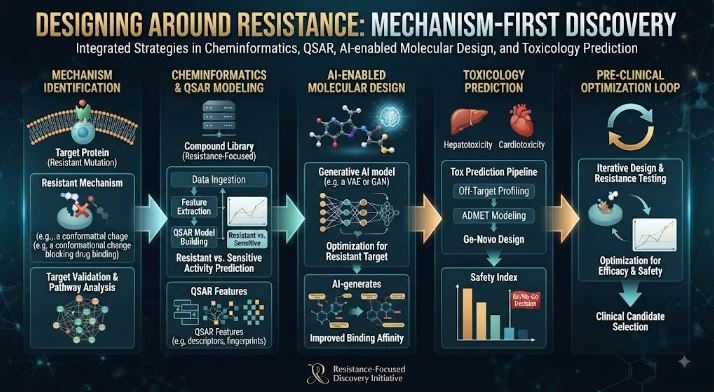
This article argues that QSAR and AI predictions of activity or toxicity should not be mistaken for biological mechanisms. Statistical models can correlate chemical structure with outcomes while missing the actual cellular interactions that cause therapeutic effects or adverse responses. Causal chemoproteomics adds measured protein engagement to computational descriptors, creating mechanistic labels that endpoint datasets cannot reliably infer. The article emphasizes scaffold-based and time-base
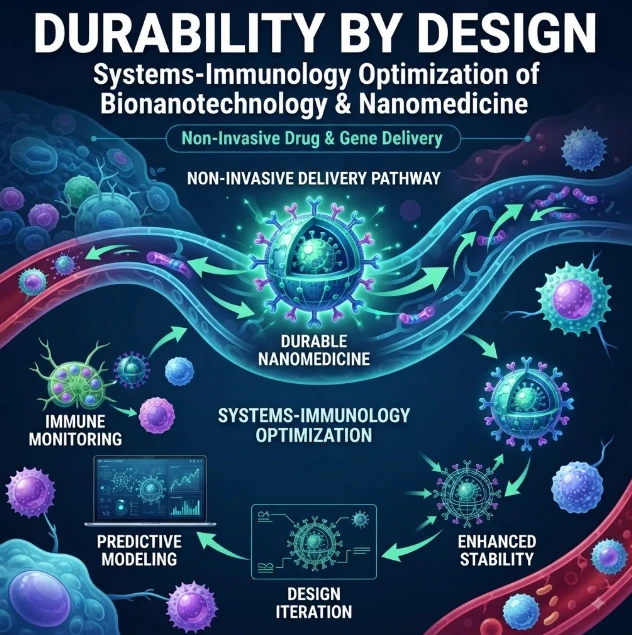
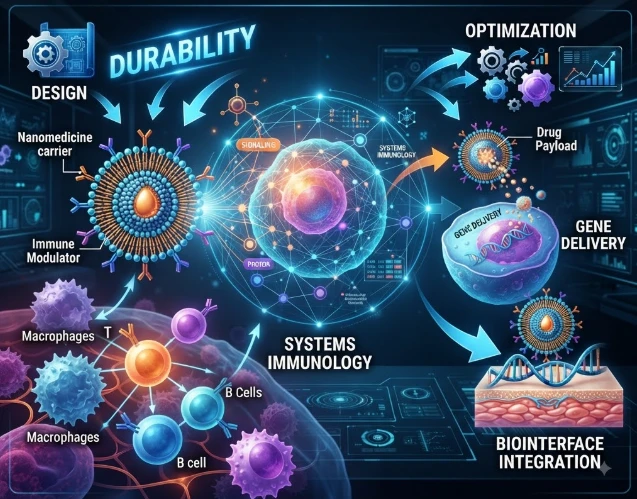
This article focuses on designing nanomedicine for durable immune and therapeutic effects rather than evaluating only the first dose or initial response. It centers on early innate sensing, antigen presentation, lymphocyte programming, tissue-resident responses, and immune memory, showing that prolonged circulation or slow release alone does not guarantee lasting benefit. Repeated exposure can alter antibody formation, cellular trafficking, tissue immunity, clearance, and subsequent response pat
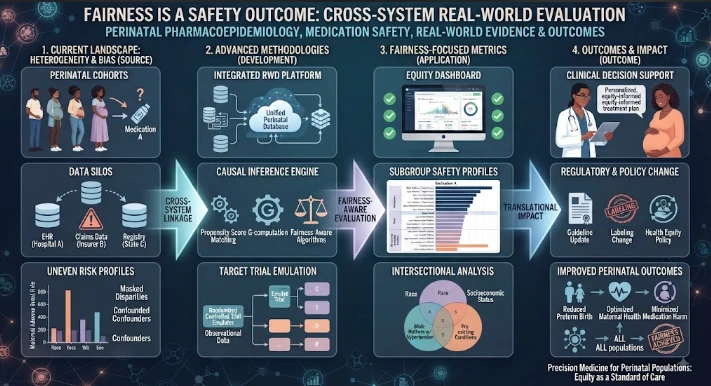
This article frames fairness as part of medication-safety validity in perinatal pharmacoepidemiology rather than as a separate reporting exercise. It argues that real-world pregnancy data are not equally complete across populations because prenatal care continuity, insurance structure, specialist access, pharmacy capture, maternal–infant linkage, and outcome coding vary between systems. As a result, a pooled safety estimate can appear precise while some groups remain sparsely or systematically r
This article examines uncertainty-aware target engagement for epigenetic cancer therapeutics, where predicted binding alone cannot establish nuclear exposure, chromatin engagement, selectivity, or durable transcriptional consequence. The workflow connects structural prediction with direct occupancy, chemoproteomic selectivity, chromatin response, and functional cancer dependence. Endpoint gene expression is treated cautiously because many upstream perturbations can create similar transcriptional
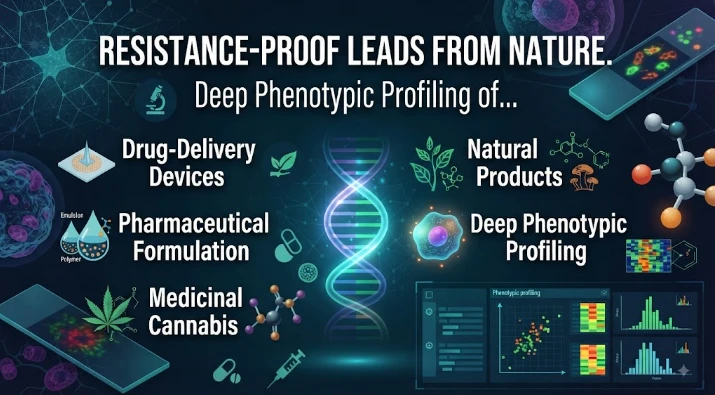
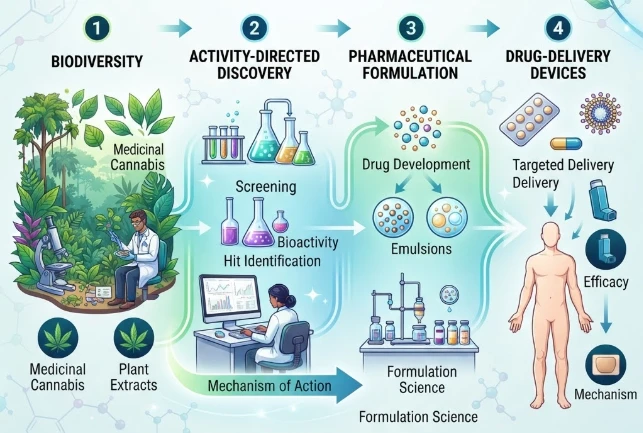
This article argues that natural-product and formulation discovery should progress beyond simple phenotypic hit finding toward deeper profiling of mechanism, exposure, resistance, and reproducibility. It treats natural products, medicinal-cannabis chemistry, delivery devices, and pharmaceutical formulations as systems in which composition, release behavior, tissue exposure, and biological state interact. High-content imaging, transcriptomics, proteomics, metabolomics, viability kinetics, and res
This article reframes polymeric micelle design around the full sequence of biological barriers encountered after administration. Micelle stability, protein adsorption, mucus interaction, endothelial transport, tissue penetration, cellular uptake, and intracellular release are treated as linked determinants of exposure. Strong drug loading or favorable behavior in buffer is not enough because dilution, serum proteins, phagocytic clearance, vascular barriers, tissue architecture, and intracellular
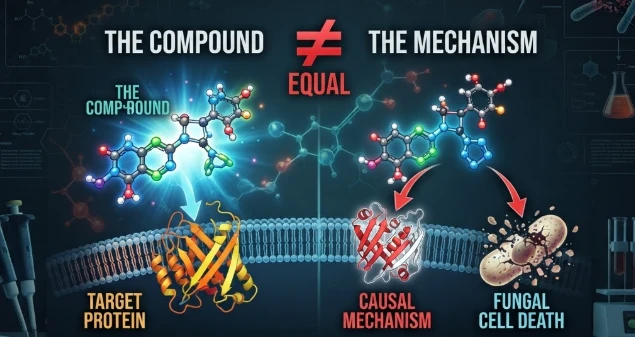
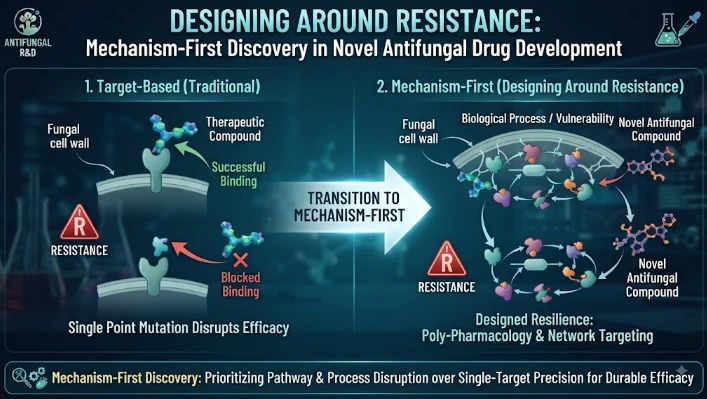
This article presents causal chemoproteomics as a strategy for identifying and validating mechanisms in novel antifungal drug development. Because fungal cells are eukaryotic and share many biological features with human cells, growth inhibition alone cannot distinguish a fungus-selective mechanism from membrane damage, metabolic stress, or general toxicity. The article describes affinity probes, photoaffinity labeling, activity-based approaches, competition experiments, thermal proteome profili
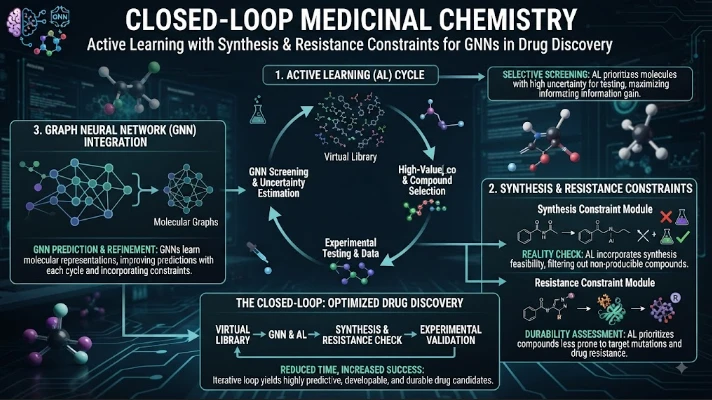
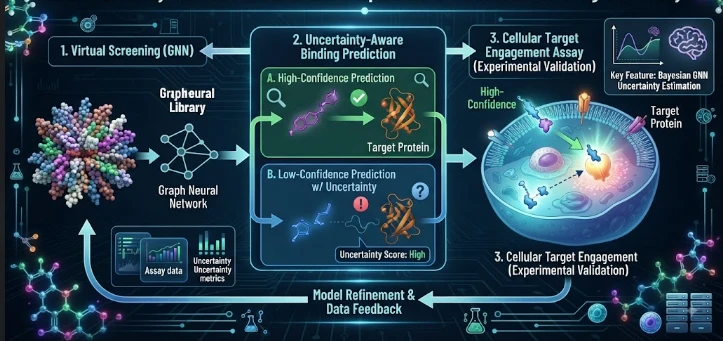
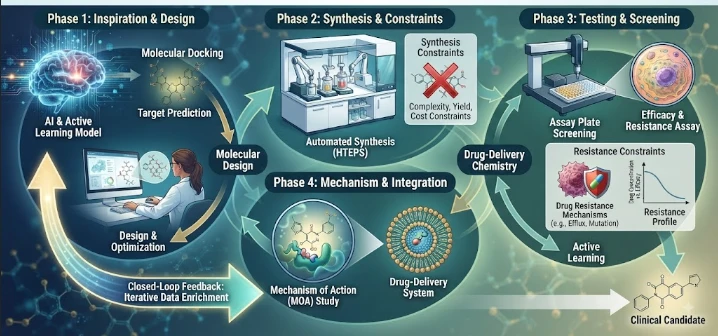
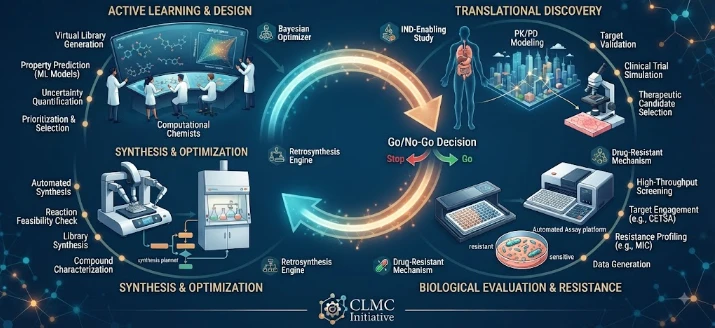
This article explains how graph neural networks can support a closed-loop medicinal chemistry system in which prediction, synthesis, biological testing, and resistance information continuously update one another. Because molecules can be represented as graphs, GNNs are well suited to learning structure–property relationships, but the article argues that ranking compounds by predicted activity alone is insufficient. Active learning is used to balance exploitation of promising candidates with expl
This article uses causal chemoproteomics to distinguish binding from mechanism in antibacterial and PPAR chemical-probe research. A probe can produce a useful phenotype while engaging multiple bacterial or host proteins, so target labels are unreliable without direct functional evidence. Activity-based profiling can identify covalent bacterial targets, while thermal or affinity approaches can test noncovalent engagement. In host cells, receptor-reporter systems and occupancy measurements help se
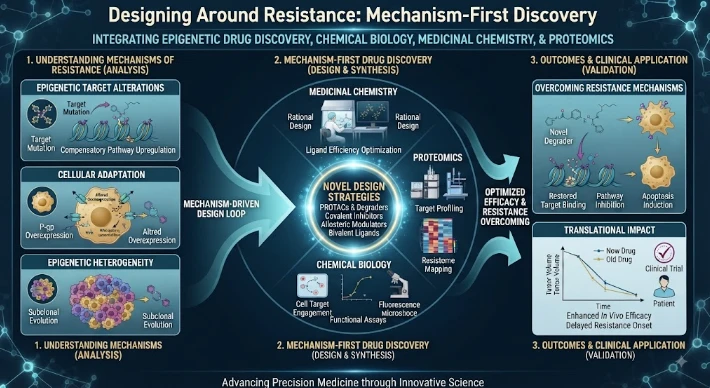
This article treats epigenetic drug resistance as an adaptive biological process that should be engineered around from the beginning of discovery. It centers on chromatin state, DNA methylation, histone modification, transcriptional plasticity, and clonal selection, showing how initially sensitive tumor cells can reorganize regulatory programs under treatment pressure. Longitudinal perturbation studies, resistant-clone sequencing, chromatin profiling, quantitative proteomics, and orthogonal targ
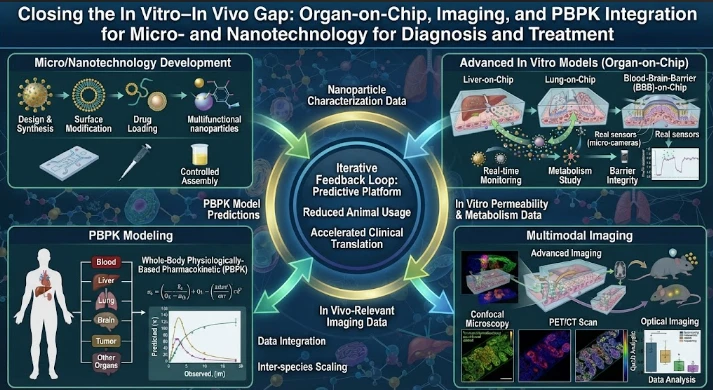
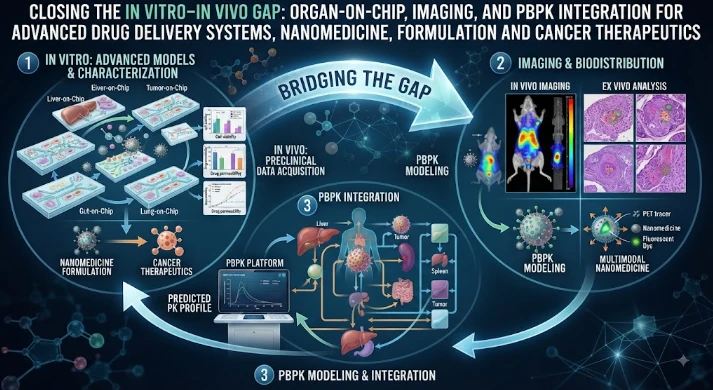
This article addresses the persistent gap between promising in vitro results and real in vivo performance in micro- and nanotechnology for diagnosis and treatment. It explains that conventional cell culture often misses critical physiological factors such as flow, tissue interfaces, mechanical forces, immune clearance, and dynamic biological barriers. Organ-on-chip systems are therefore proposed as more structured experimental environments for studying transport, permeability, uptake, and barrie
This article examines how enzyme-targeted infectious-disease drug discovery can move from predicted binding to validated cellular target engagement. Strong biochemical affinity is not sufficient if a compound cannot cross pathogen barriers, reach the intracellular target, maintain free concentration, or avoid efflux and metabolic inactivation. The article links enzyme inhibition to pathogen penetration, target occupancy, pathway disruption, metabolic consequences, growth inhibition, and killing.
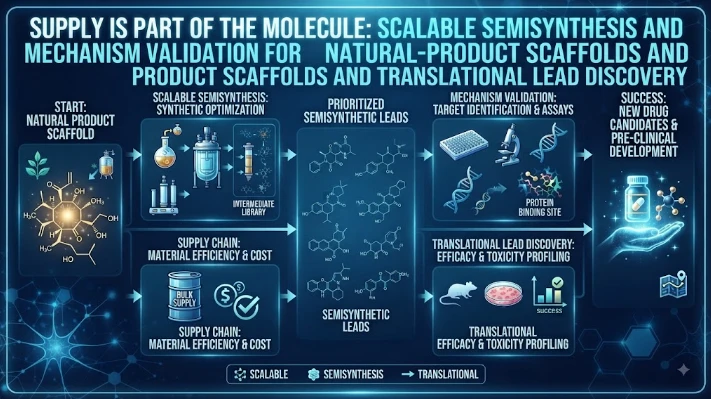
This article argues that supply strategy is part of the therapeutic identity of a natural product, not merely a later manufacturing concern. Complex natural scaffolds can provide unique stereochemistry and biological activity, but their value depends on whether they can be produced reproducibly at useful scale. Semisynthesis is presented as a practical bridge between extraction and total synthesis, combining biologically generated structural complexity with chemical optimization of potency, sele
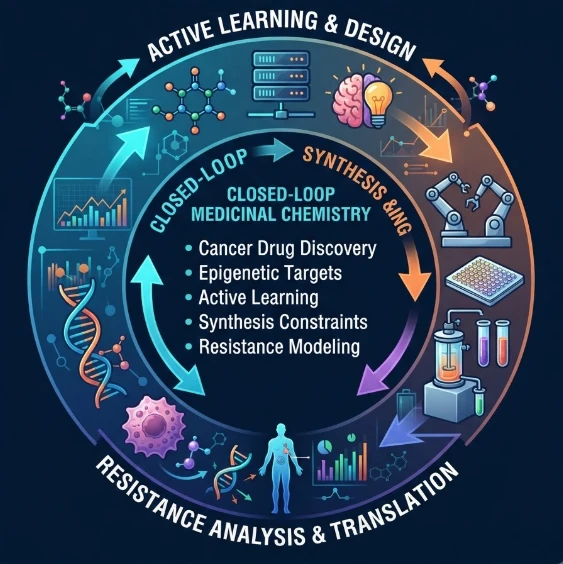
This article applies closed-loop medicinal chemistry to cancer programs targeting adaptive epigenetic biology. Epigenetic targets operate within chromatin networks that can rewire transcription and cell lineage under treatment, so isolated enzyme potency may not predict durable response. The proposed loop integrates active learning, synthesis feasibility, chromatin pharmacodynamics, target engagement, resistance evolution, and translational constraints. Binding motif, selectivity, chromatin cont
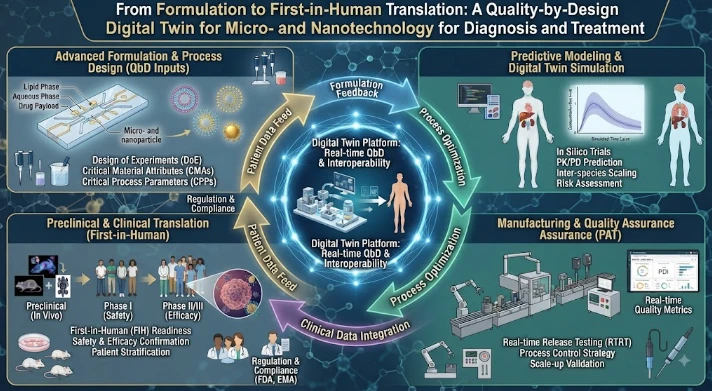
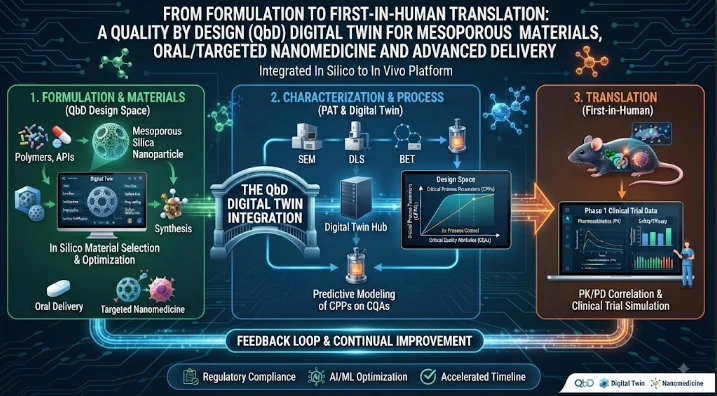
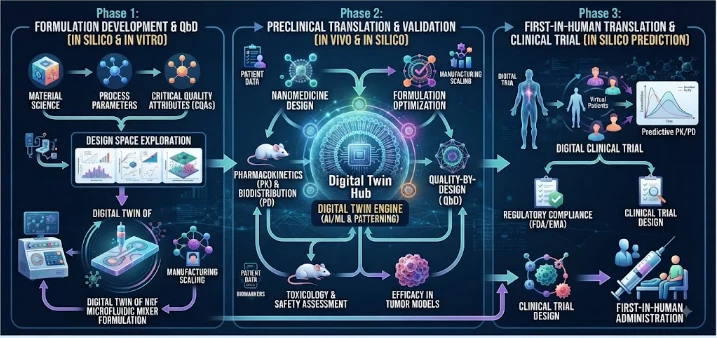
This article proposes a quality-by-design digital twin as a framework for translating micro- and nanotechnology products from formulation to first-in-human studies. It begins with a target product profile and uses that to identify critical quality attributes rather than treating every measurable property as equally important. For nanotechnology, relevant attributes may include particle size, morphology, surface charge, ligand density, drug loading, release kinetics, residual solvent, aggregation
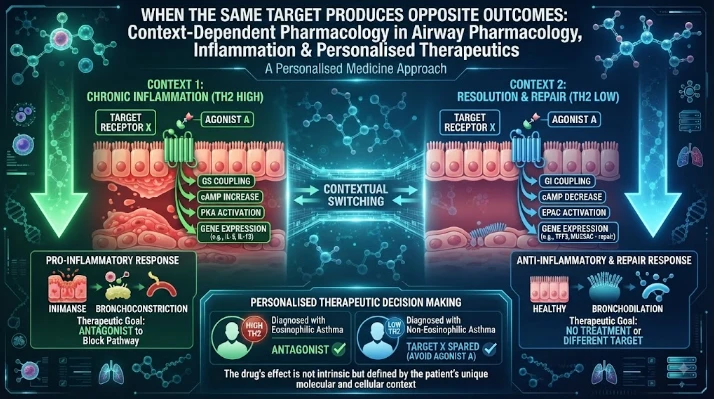
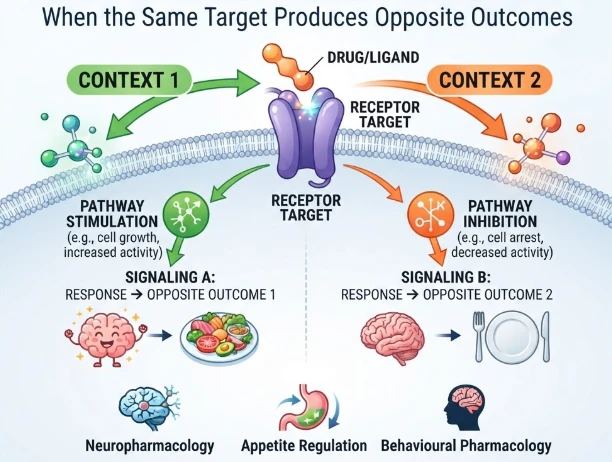
This article explores context-dependent airway pharmacology and explains why the same molecular target can produce different or even opposing outcomes across biological settings. Using beta-2 adrenergic signaling as a central example, it shows how G-protein signaling, beta-arrestin pathways, receptor density, ligand structure, inflammatory state, oxidative stress, and cell identity can alter the meaning of receptor activation. Airway smooth muscle, epithelium, immune cells, and fibroblasts conta
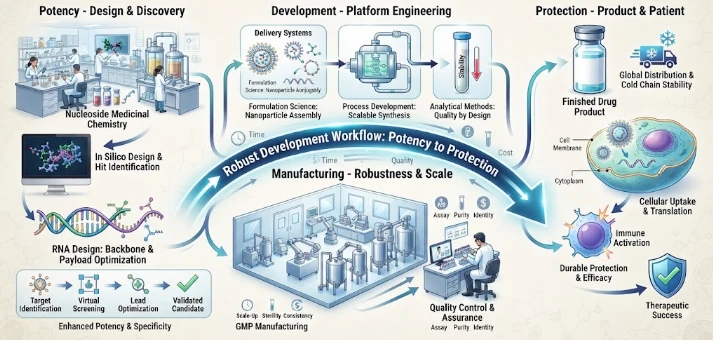
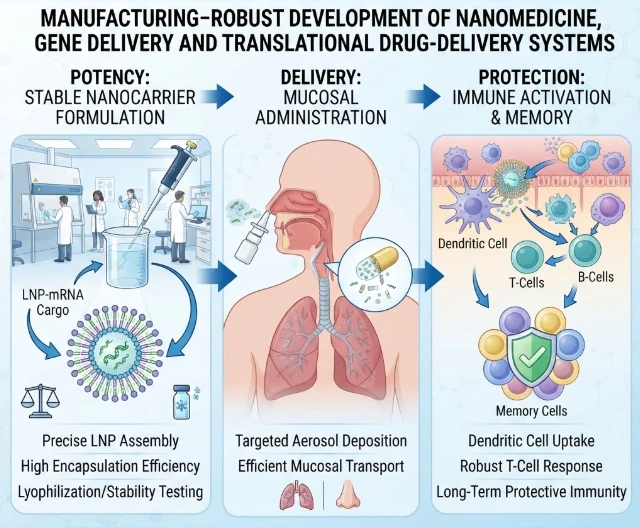
This article argues that high RNA expression is not enough to define a robust therapeutic or vaccine product; manufacturing consistency must preserve biological function across scale, sites, and storage conditions. It links nucleoside chemistry, sequence quality, RNA integrity, particle assembly, intracellular release, translation, and pharmacodynamic response with critical manufacturing variables. Identity and purity testing, encapsulation, particle size and morphology, potency assays, impurity
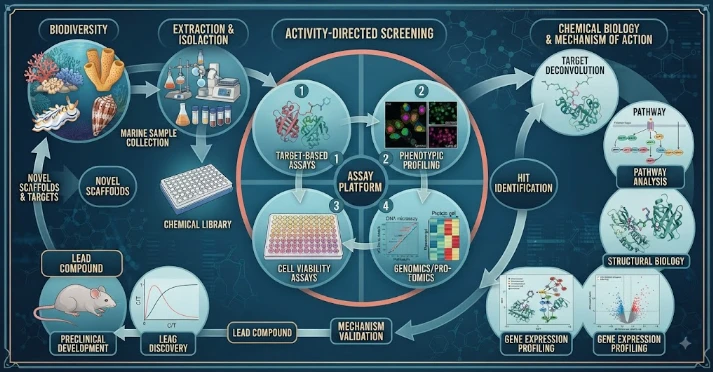
This article presents activity-directed discovery as a rigorous path from biodiversity to mechanism. It explains that an active plant, microbial, marine, or other natural-source extract does not automatically reveal a therapeutic mechanism because activity may arise from mixtures, multiple constituents, or formulation effects. Modern discovery therefore combines taxonomy, metabolomics, bioassay-guided fractionation, molecular networking, genome-guided approaches, high-resolution mass spectrometr
This article applies a quality-by-design digital-twin framework to mesoporous materials used in oral and targeted nanomedicine. It explains that mesoporous carriers offer high surface area, tunable pore structure, surface functionalization, and strong drug-loading capacity, but small manufacturing changes can alter release, degradation, biodistribution, and safety. The development process therefore begins with the intended product profile, distinguishing oral systems from intravenously targeted
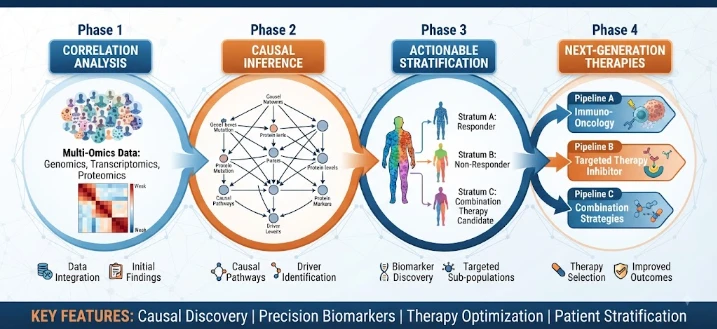
This article argues that precision oncology must move from correlated multi-omics signatures to causally actionable patient stratification. Genomic, transcriptomic, proteomic, metabolomic, imaging, and clinical features can describe tumors in great detail, but they do not automatically identify which patients will benefit from a specific treatment. The article links molecular alteration, pathway state, treatment exposure, target engagement, response, and clinical outcome using integrated omics,
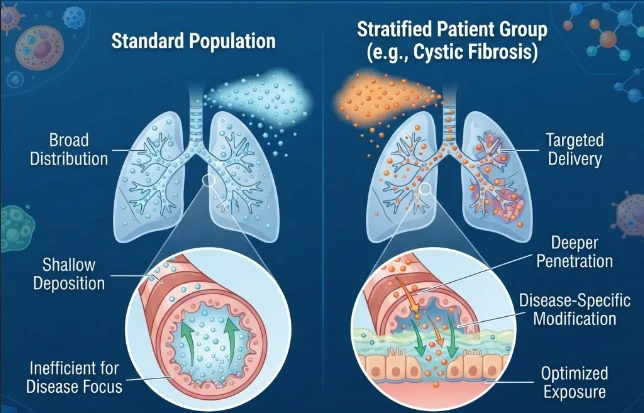
This article argues that pulmonary drug delivery should move beyond passive targeting toward patient-stratified exposure. Instead of assuming that the same emitted aerosol produces the same lung dose in everyone, it shows how airway narrowing, mucus plugging, inflammation, emphysema, inspiratory capacity, breathing technique, and disease stage create markedly different regional exposure patterns. Asthma, COPD, and cystic fibrosis are used to illustrate how identical devices and formulations can
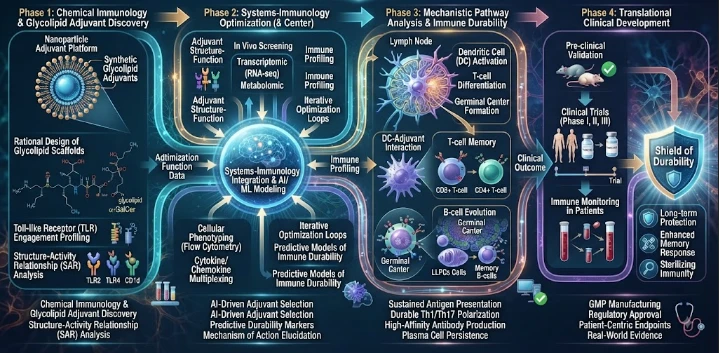
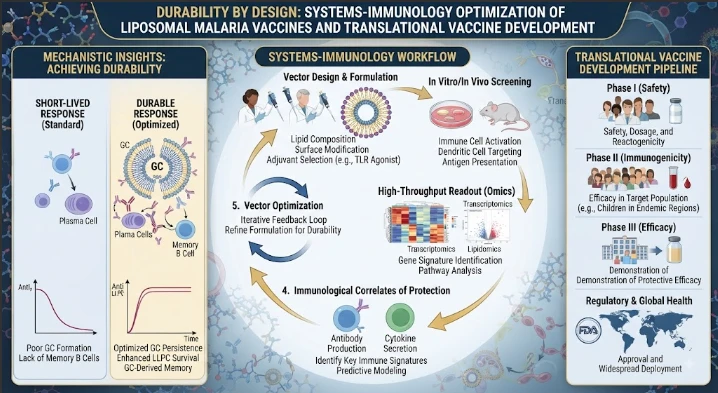
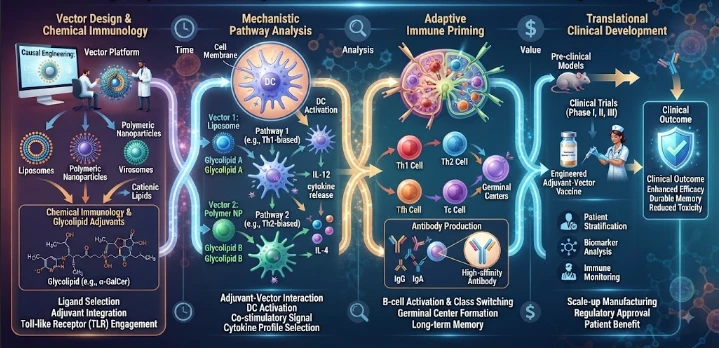
This article focuses on designing glycolipid vaccine adjuvants for durable immunity rather than maximizing short-lived antibody or cytokine peaks. It frames durability as a systems-immunology problem involving innate priming, follicular T-cell help, germinal-center selection, affinity maturation, long-lived plasma cells, memory B cells, recall responses, and functional protection. Longitudinal flow cytometry, single-cell sequencing, systems serology, neutralization assays, B-cell receptor analys
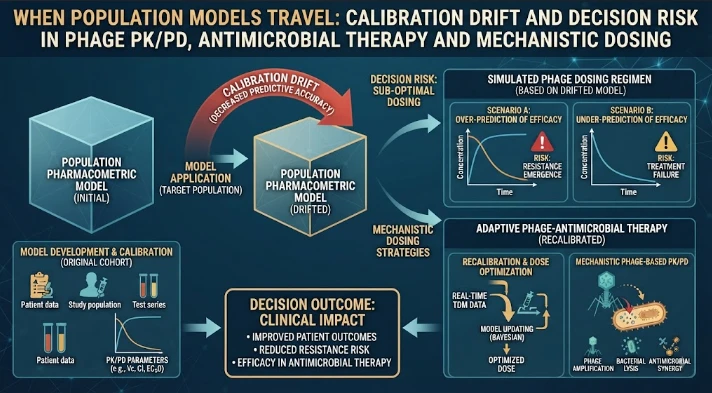
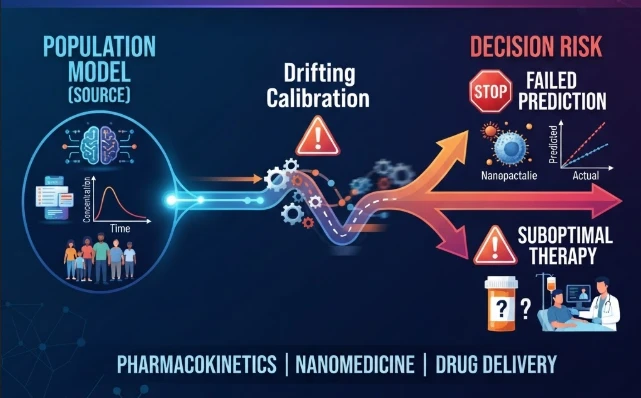
This article examines calibration drift in phage pharmacokinetic and pharmacodynamic models when predictions are transferred across infection sites, bacterial populations, or host conditions. Phages differ from conventional antibiotics because active particles can replicate where susceptible bacteria are present and disappear where hosts are absent or inaccessible. Distribution, immune clearance, adsorption, bacterial killing, phage replication, latent period, burst size, resistance, and tissue
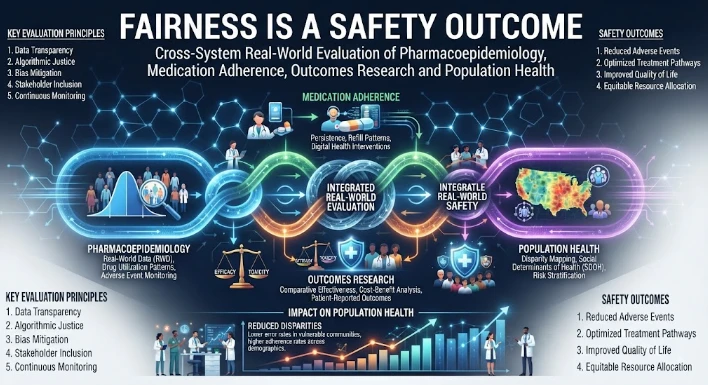
This article treats fairness in pharmacoepidemiology and medication adherence as a question of measurement validity and population health. It explains that dispensing records are only proxies for medication use and that nonadherence may reflect cost, pharmacy access, treatment burden, side effects, health literacy, or beliefs rather than a single patient behavior. These pathways are unevenly distributed across populations, so average adherence estimates can conceal structural differences in trea
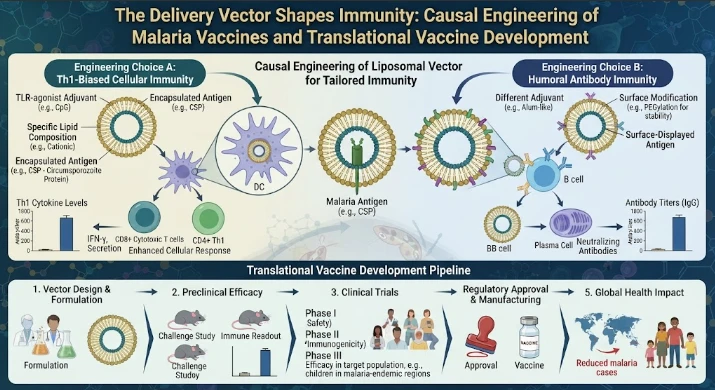
This article focuses on designing malaria vaccines for durable protection rather than simply maximizing early immunogenicity. It argues that long-term protection depends on the architecture of the immune response, including affinity maturation, long-lived plasma cells, memory B cells, helper T-cell support, and functional antibody quality. Liposomal adjuvant systems are highlighted because their lipid composition, innate agonists, particle properties, and antigen presentation can be deliberately
This article describes activity-directed discovery as a disciplined route from marine biodiversity to therapeutically useful mechanisms. Marine extracts can contain dozens or hundreds of metabolites whose abundance changes with taxonomy, habitat, cultivation, collection, extraction, and fractionation, so ecological novelty alone cannot establish drug value. The workflow follows biological activity through extraction, chromatographic fractionation, structural assignment, target identification, an
This article explains why the same neuropharmacological target can generate different or even opposite outcomes depending on cellular, circuit, physiological, and behavioral context. Appetite and behavioral pathways contain receptor families expressed in different anatomical regions and signaling environments, so target identity alone cannot predict feeding, reward, nausea, autonomic activity, or energy expenditure. The article links receptor location, coupling proteins, pathway bias, circuit co
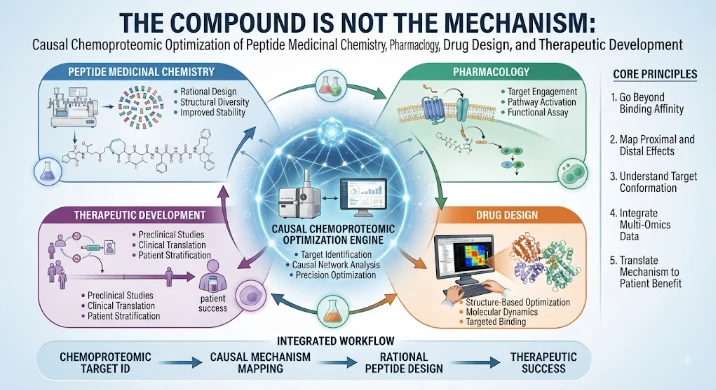
This article explains why peptide activity cannot be used as a shortcut for peptide mechanism. A therapeutic peptide may bind a specific receptor or protein interface, perturb membranes, enter cells through multiple routes, or interact with several proteins at concentrations used in phenotypic assays. The article builds a causal framework around target binding, membrane effects, intracellular entry, pathway modulation, and downstream phenotype. Chemoproteomic capture, crosslinking, competition e
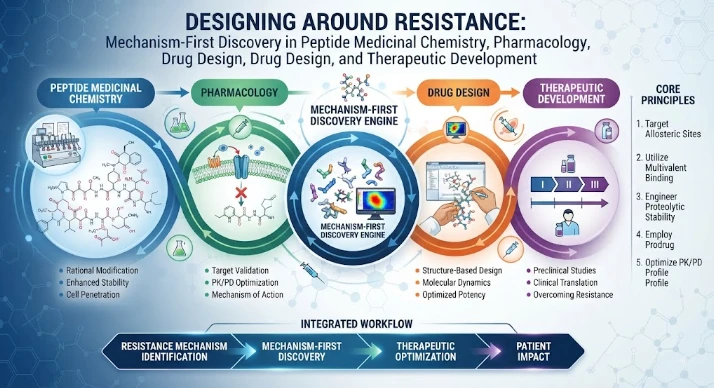
This article presents resistance-aware peptide medicinal chemistry as an early design problem rather than a late-stage response to therapeutic failure. It centers on sequence, conformation, proteolysis, membrane interaction, target recognition, and adaptive resistance, showing how strong potency can collapse when protease exposure, target mutation, biofilm physiology, or membrane remodeling changes. Cyclization, terminal modification, non-natural residues, conjugation, and sequence redesign are
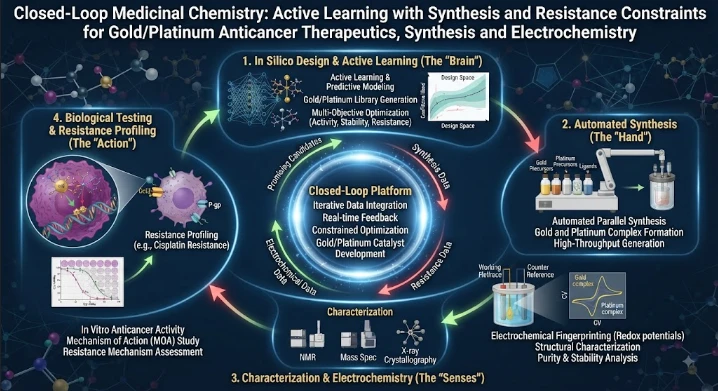
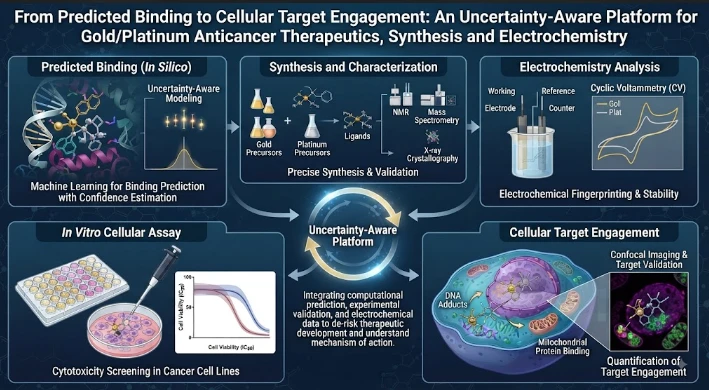
This article describes closed-loop medicinal chemistry as a learning system for optimizing gold- and platinum-based anticancer compounds. Instead of following a simple design–synthesize–test sequence, the proposed workflow uses active learning to choose compounds that are not only promising but also informative about chemical space, resistance, mechanism, stability, and synthesis feasibility. The piece stresses that metal complexes require descriptors beyond conventional organic medicinal chemis
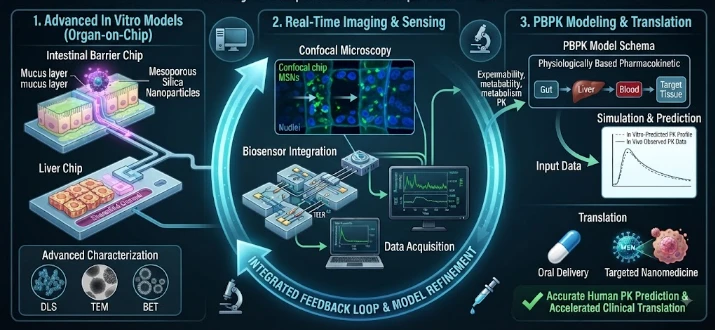
This article proposes an integrated strategy for closing the in vitro–in vivo gap in mesoporous drug-delivery systems using organ-on-chip models, imaging, and PBPK modeling. It explains that attractive laboratory results for dissolution, uptake, or targeted delivery may fail in vivo because biological fluids, mucus, epithelial barriers, vascular flow, protein corona formation, immune clearance, degradation, and tissue architecture change nanoparticle behavior. For oral delivery, gut models can r
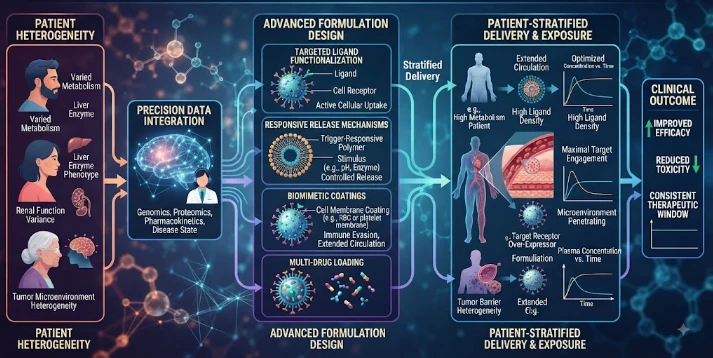
This article argues that advanced formulation science should move beyond average passive targeting toward patient-stratified exposure. Formulation behavior can vary markedly with vascular permeability, mucus properties, renal and hepatic function, mononuclear phagocyte activity, inflammatory state, body composition, and disease burden. The article therefore proposes linking patient covariates to transport, clearance, tissue accumulation, cellular uptake, and pharmacodynamic response rather than
This article treats antifungal resistance as an early design constraint rather than a late clinical problem. It reviews how established classes such as azoles, echinocandins, and polyenes face target mutations, efflux, sterol-pathway changes, and other adaptive mechanisms, and argues that new antifungal discovery should deliberately measure evolutionary escape. The framework begins with target essentiality under infection-relevant conditions, fungal selectivity over human biology, and evolutiona
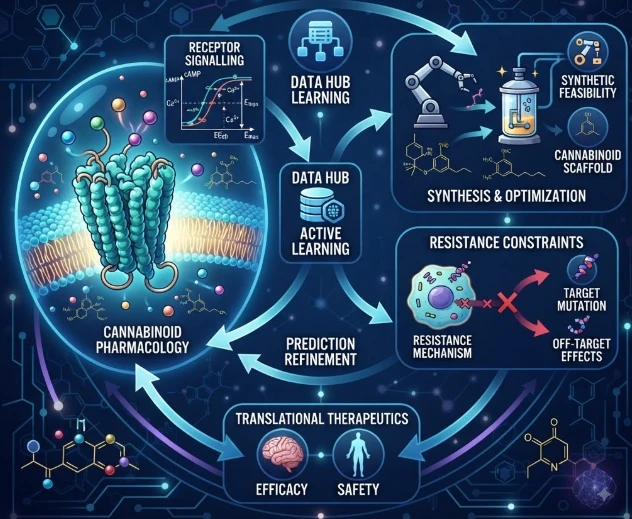
This article presents closed-loop cannabinoid medicinal chemistry as an iterative learning system that combines receptor pharmacology, synthesis, exposure, safety, and tolerance. CB1 and CB2 affinity alone are insufficient optimization targets because ligand structure can alter G-protein activity, arrestin recruitment, receptor internalization, functional selectivity, allostery, off-target effects, and pharmacokinetics. Active learning, structure-based design, parallel synthesis, multipathway si
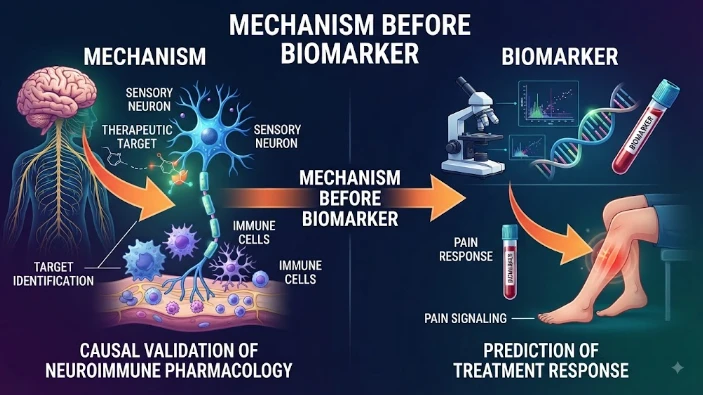
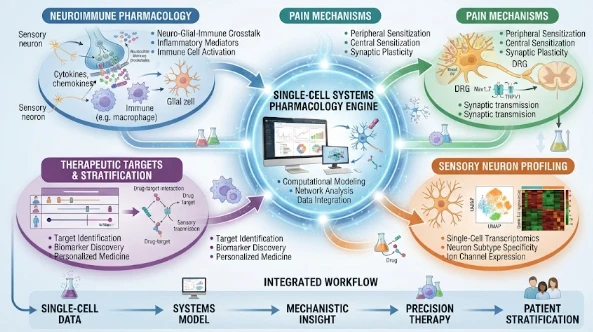
This article argues that a treatment biomarker in neuroimmune pain should not be promoted until its causal relationship with therapeutic mechanism has been tested. Cytokines, transcriptional signatures, imaging signals, sensory thresholds, and circulating proteins can correlate with response while reflecting disease severity, tissue injury, or parallel inflammatory pathways. The proposed framework connects receptor activity, sensory-neuron excitability, immune signaling, tissue inflammation, bio
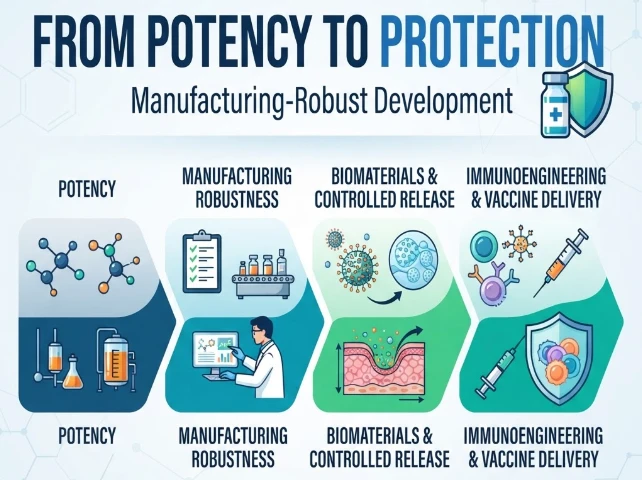
This article presents manufacturing robustness as a core determinant of controlled-release vaccine performance. Biomaterial systems may generate strong immunity at laboratory scale yet lose protection when polymer properties, antigen integrity, adjuvant presentation, or release kinetics drift during scale-up and storage. The article links immune potency directly to controllable process variables. PLGA particles, hydrogels, scaffolds, and related depots can extend antigen or adjuvant presentation
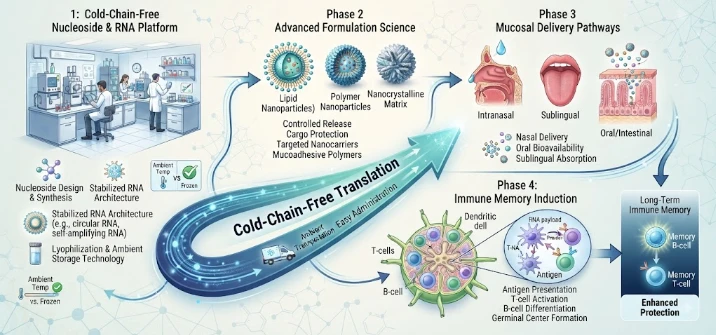
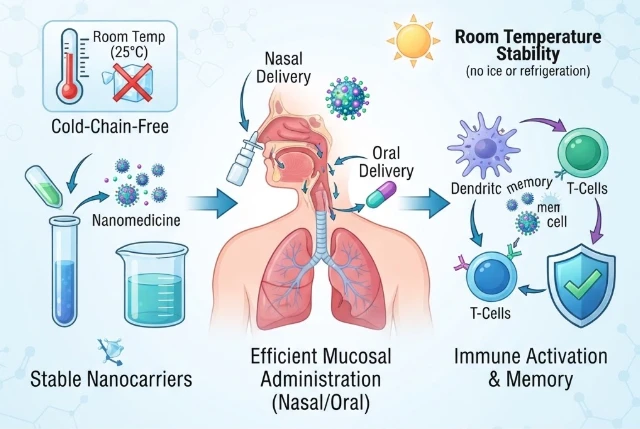
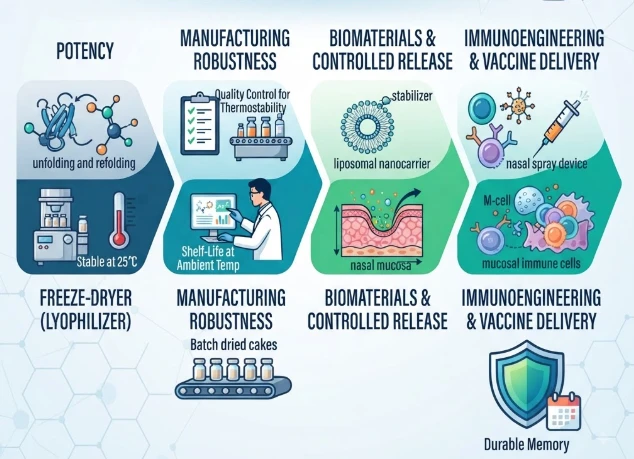
This article explores cold-chain-free translation of nucleoside medicinal chemistry and RNA therapeutics by integrating chemical modification, formulation stability, mucosal delivery, and immune memory. RNA products face degradation through hydrolysis, nucleases, oxidation, aggregation, and environmental stress, making storage and administration central parts of therapeutic design. The article links nucleoside identity, RNA structure, cap and polyadenylation features, excipient composition, part
This article develops an uncertainty-aware platform that converts predicted molecular binding into experimentally verified cellular target engagement. It explains that docking, QSAR, or machine-learning scores can rank compounds efficiently but cannot establish intracellular exposure, occupancy, selectivity, residence time, or causal pharmacology. CETSA, live-cell engagement approaches, chemoproteomics, and measured intracellular concentration are presented as complementary tools for separating
This article applies single-cell systems pharmacology to neuroimmune pain and patient stratification. It centers on sensory-neuron subtypes, immune-cell states, receptor expression, ligand release, tissue context, and temporal signaling, showing that the same pain behavior can arise from different cellular circuits. Bulk tissue measurements may conceal these differences, while single-cell transcriptomics, spatial profiling, electrophysiology, ligand–receptor inference, perturbation experiments,
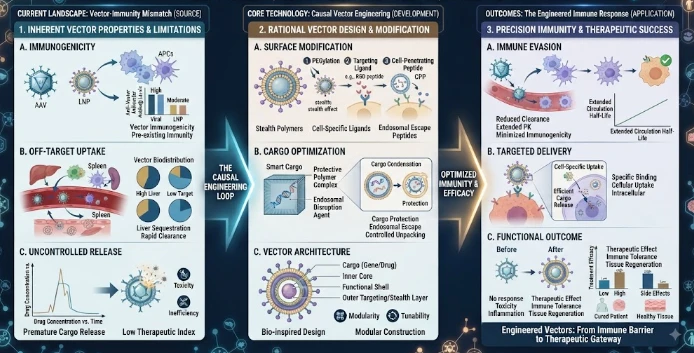
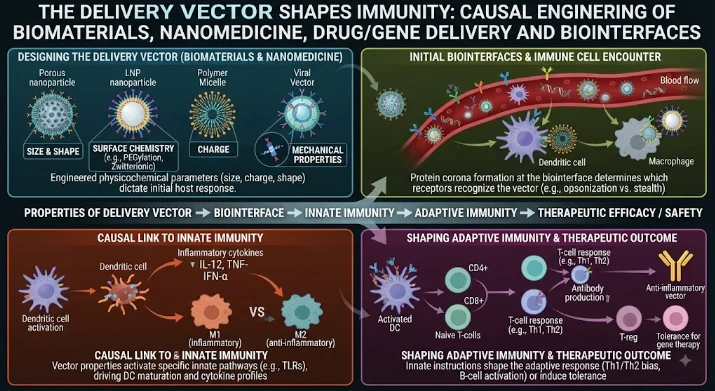
This article argues that a bionanotechnology delivery vector is biologically active and can shape immunity before payload delivery is complete. Particle composition, size, surface chemistry, protein corona, cellular uptake, innate sensing, and intracellular trafficking are treated as causal variables that influence inflammation, antigen presentation, complement activation, tissue distribution, and therapeutic outcome. Comparative vector libraries, matched payload controls, cytokine profiling, co
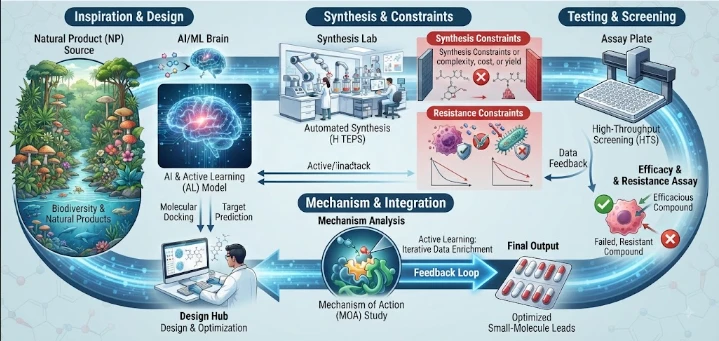
This article describes closed-loop medicinal chemistry for natural-product-inspired small-molecule discovery as an iterative learning system that links design, synthesis, testing, resistance, and exposure. Natural scaffolds often occupy complex three-dimensional chemical space and may be difficult to synthesize, simplify, or optimize using conventional analogue-by-analogue approaches. The article proposes active learning, graph models, Bayesian optimization, retrosynthesis prediction, and uncert
This article examines the gap between GNN-predicted binding and true cellular target engagement in drug discovery. It argues that a strong computational score should be viewed as a prioritized hypothesis because model performance depends on the chemistry, targets, and assay conditions represented in training data. Scaffold splits, time splits, uncertainty quantification, and calibration are recommended to reveal where predictions are poorly supported. The article then shifts to cellular reality,
This article addresses cold-chain-resilient nanomedicine and gene delivery by linking formulation stability, mucosal transport, intracellular delivery, and durable immune function. Potent nucleic-acid or nanoparticle platforms can lose practical value when temperature sensitivity, hydrolysis, oxidation, aggregation, particle fusion, leakage, or cargo degradation limits distribution. The article highlights lessons from RNA vaccine delivery, including lyophilization, sugar-based protectants, and a
This article examines the gap between predicted cannabinoid receptor binding and experimentally verified cellular target engagement. It centers on predicted affinity, receptor conformation, G-protein coupling, arrestin recruitment, allosteric modulation, and cellular occupancy, emphasizing that high docking scores or model confidence do not establish biological mechanism. CB1 and CB2 pharmacology can change with receptor density, coupling partners, assay format, species orthologue, ligand effica
This article presents closed-loop medicinal chemistry as an integrated learning system connecting molecular design, synthesis, formulation, biological testing, resistance, and delivery. It argues that compounds should not be optimized for potency alone because a strong in vitro lead may still fail through poor synthesis feasibility, low solubility, inadequate tissue penetration, unstable formulation, safety liabilities, or rapid resistance. Graph learning, active learning, Bayesian optimization,
This article explains why phenotypic activity from an epigenetic compound does not automatically reveal its therapeutic mechanism. It focuses on a causal chain connecting direct protein engagement, downstream pathway remodeling, chromatin effects, and phenotype. Competition-based profiling, thermal stability methods, covalent capture, genetic perturbation, rescue experiments, photoaffinity probes, and dose-resolved phenotyping are presented as complementary tools for separating causal targets fr
This article presents resistance-aware, mechanism-first discovery as a more durable strategy for developing therapeutics against mosquito-borne viruses such as dengue, Zika, chikungunya, and West Nile virus. It argues that antiviral activity in a screening assay is only a starting point because the observed phenotype may result from direct viral inhibition, host-pathway disruption, membrane effects, cytotoxic stress, or assay artifacts. Time-of-addition studies, washout experiments, serotype tes
This article develops resistance-aware cheminformatics and AI molecular design by treating biological escape as a form of domain shift. Models trained on wild-type targets or treatment-naive cells can fail after mutation, transporter changes, pathway rewiring, metabolic adaptation, or shifts in cellular state. Mutation-conditioned modeling, resistant-panel data, active learning, and explicit uncertainty are proposed to reveal when predictions enter biological regimes unsupported by training evid
This article focuses on the long-term behavior of biomaterial-enabled therapies and argues that durability should be designed and measured rather than inferred from an early favorable response. Initial innate sensing, material degradation, cargo persistence, lymphocyte programming, tissue remodeling, foreign-body reactions, antibody formation, fibrosis, and repeated-dose behavior can all change over time. Longitudinal immune phenotyping, degradation tracking, tissue imaging, cytokine trajectorie
This article addresses cold-chain-free vaccine delivery using biomaterials that combine physical stability, controlled release, mucosal targeting, and durable immune memory. Temperature-sensitive antigens, adjuvants, and matrices can restrict deployment when product integrity depends on uninterrupted refrigeration. Dry powders, lyophilized matrices, dissolving devices, and stabilized depots must preserve antigen structure, adjuvant activity, and release kinetics after transport and administratio
This article presents an uncertainty-aware discovery platform for gold- and platinum-based anticancer therapeutics that connects computational prediction with real cellular target engagement. It begins with the problem of metal-complex speciation, emphasizing that ligand exchange, hydrolysis, redox changes, and binding to cellular nucleophiles can alter chemical identity after exposure. Electrochemistry therefore becomes mechanistically important, helping to clarify oxidation state, reduction po
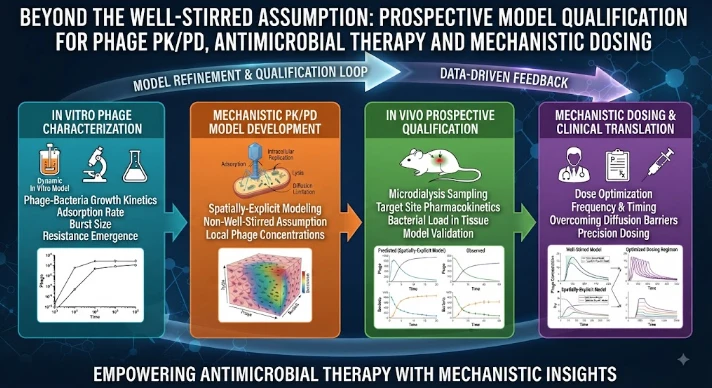
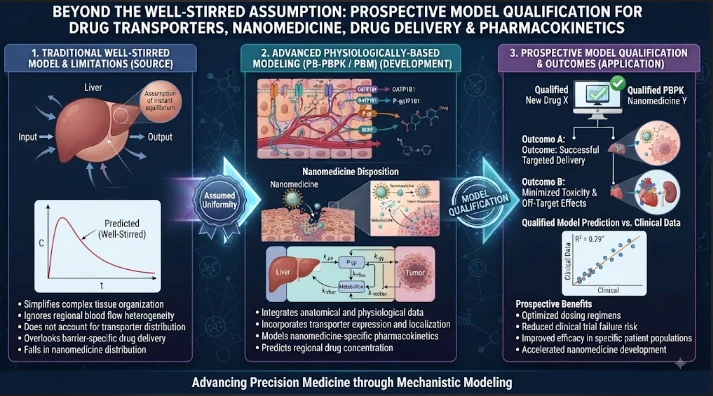
This article challenges well-stirred assumptions in phage PK/PD and proposes prospective model qualification for mechanistic dosing. Bacteria often occupy biofilms, airway mucus, necrotic pockets, poorly perfused tissues, or intracellular niches where local phage concentration can differ sharply from plasma concentration. Susceptible, resistant, and dormant bacteria may also coexist spatially, making systemic titer an incomplete exposure measure. The article therefore links vascular access, tiss
This article explains why the delivery vector itself should be treated as a causal component of malaria vaccine immunology. Using liposomal vaccine systems as the main example, it shows how lipid composition, particle structure, immunostimulatory molecules, antigen association, and post-injection behavior can shape innate signaling and downstream adaptive immunity. The article discusses malaria’s complex life cycle and argues that effective vaccination requires more than high antibody concentrat
This article examines how population pharmacokinetic models can lose reliability when transported to new patients, formulations, or healthcare settings. Transporter activity, organ function, disease state, co-medication, formulation behavior, and population composition can all shift exposure relationships and create calibration drift. The article links transporter kinetics, organ physiology, particle characteristics, clearance pathways, and concentration–time profiles using transporter assays, c
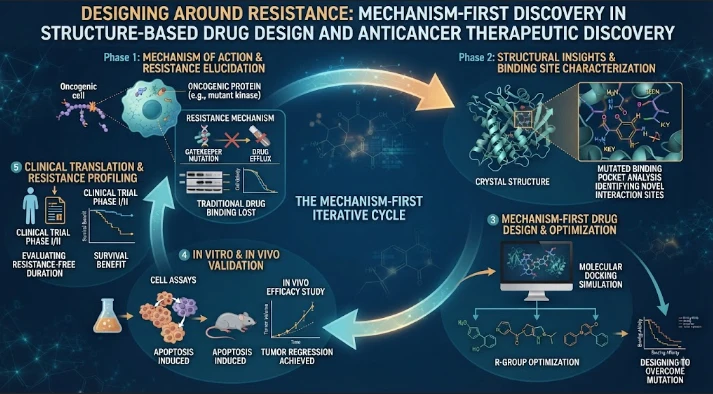
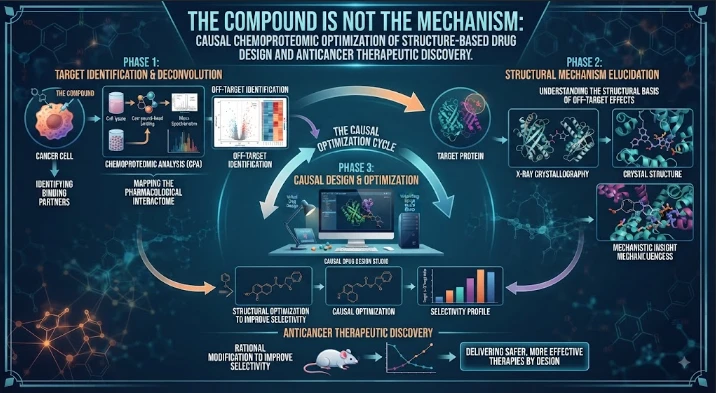
This article frames structure-based anticancer discovery around resistance rather than affinity alone. High-quality binding poses can still fail when tumors acquire target mutations, activate bypass pathways, alter transport, amplify targets, or change lineage state. Mechanism-first design therefore maps atomic contacts onto catalytic necessity, conformational dynamics, mutation hotspots, and fitness constraints before optimization becomes locked around one attractive pose. The article uses kina
This article proposes a quality-by-design digital twin for connecting advanced cancer drug-delivery formulation, manufacturing, pharmacokinetics, and first-in-human translation. Material attributes, process parameters, release kinetics, biodistribution, tumor exposure, and safety are treated as a single mechanistic network rather than separate development packages. Particle size, encapsulation, release, mixing conditions, purification, sterilization, storage, and scale-up can change exposure eve
This article examines how uncertainty-aware target validation can connect computational binding predictions with real cellular target engagement in natural-product-inspired medicinal chemistry. Complex natural-product scaffolds often contain unusual stereochemistry, conformational rigidity, and functional groups that challenge simplified docking and two-dimensional prediction methods. The article therefore separates predicted affinity from permeability, intracellular concentration, target occupa
This article explains why a compelling structural binding pose does not prove that the same interaction drives anticancer activity inside living cells. It proposes causal chemoproteomics as a bridge between predicted binding, proteome-wide engagement, pathway perturbation, genetic dependency, and phenotype. CETSA and thermal proteome profiling can detect ligand-induced stability changes, activity-based protein profiling can map reactive engagement, and affinity or photo-crosslinking approaches c
This article proposes an integrated translational framework combining organ-on-chip systems, quantitative imaging, and PBPK modeling for advanced nanomedicine. It centers on barrier transport, tissue uptake, intracellular trafficking, organ clearance, inter-organ exchange, and whole-body exposure, addressing limitations of static cell culture and species differences in animal models. Microphysiological systems can reproduce tissue barriers, flow, multicellular interactions, and disease-altered p
This article argues that manufacturing is part of nanomedicine pharmacology because process history can change the physical product that reaches tissues. Laboratory potency may depend on tightly controlled small-scale preparation and then shift during scale-up, filtration, freezing, thawing, shipment, dilution, or administration. The article links critical material attributes and process parameters to transfection, biodistribution, target expression, and therapeutic effect. Mixing rate, flow rat
This article examines biomaterial and nanomedicine interfaces as active regulators of immune and tissue responses. Surface chemistry, stiffness, degradation, protein adsorption, complement activation, cellular uptake, and intracellular fate form the central mechanistic network. The article explains that material identity changes immediately in biological fluids as proteins adsorb, complement pathways activate, immune cells sense geometry and chemistry, and degradation products emerge. Surface li
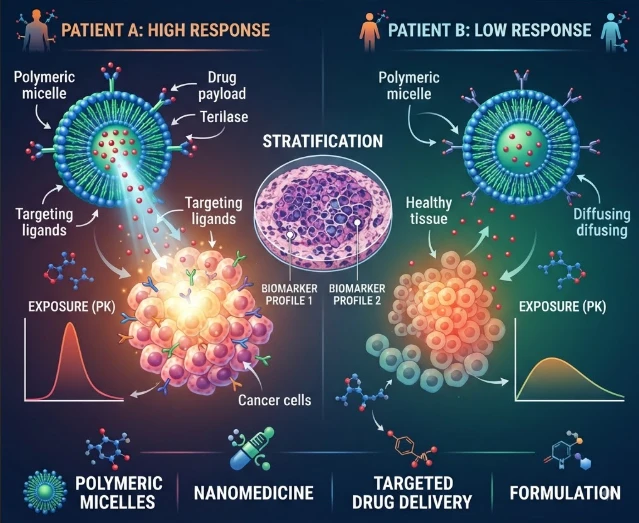
This article argues that passive targeting with polymeric micelles should be evaluated as a patient-specific exposure problem rather than a universal nanomedicine property. Vascular permeability, perfusion, stromal density, macrophage activity, lymphatic drainage, renal and hepatic function, micelle stability, and payload release determine how much intact carrier reaches a target lesion. Imaging biomarkers, pharmacokinetic sampling, mechanistic modeling, tissue profiling, exposure–response analy
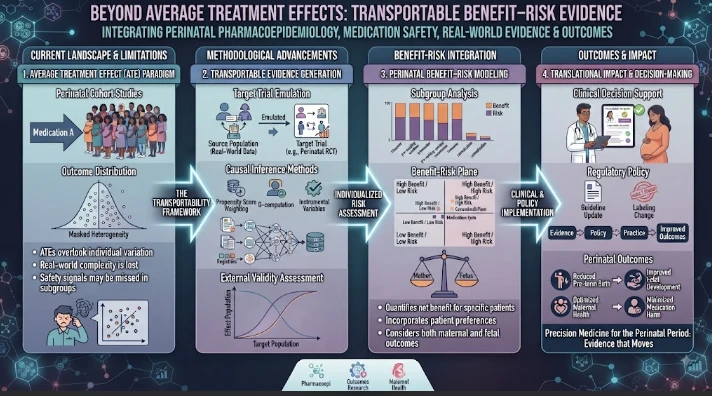
This article examines how benefit–risk evidence in perinatal pharmacoepidemiology can be transported beyond the original database or healthcare system. It emphasizes gestational timing, treatment indication, maternal disease severity, fetal development, treatment continuation, and competing outcomes as interconnected variables that can be hidden by average estimates. Time-related bias, exposure misclassification, live-birth selection, and confounding by indication are identified as major threats
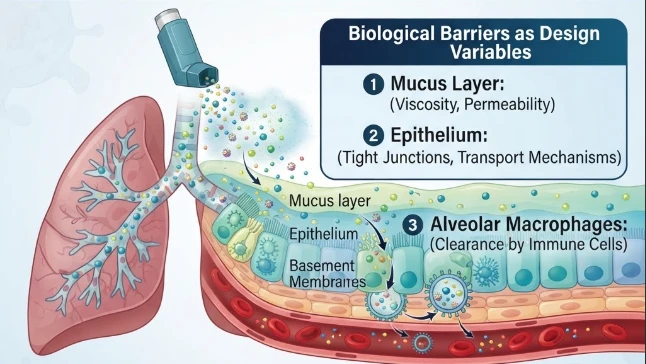
This article reframes pulmonary drug delivery as a barrier-engineering problem rather than a simple aerosol-deposition task. It explains how inhaled medicines must navigate airway geometry, mucus, mucociliary clearance, epithelial transport, alveolar macrophages, airway surface liquid, and disease-specific changes before therapeutic exposure is achieved. Particle size, density, shape, hygroscopicity, surface charge, dissolution, and carrier design are presented as linked variables that determine
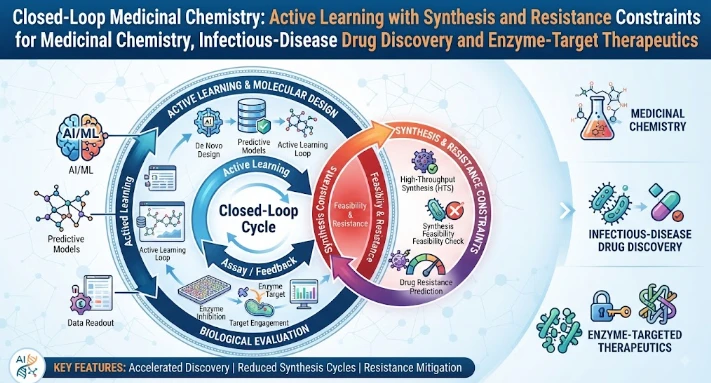
This article presents closed-loop medicinal chemistry as a decision system in which active learning, synthesis, biological testing, resistance, and developability continuously inform the next experiment. Linear discovery cycles can waste synthesis when potency, mechanism, exposure, safety, and manufacturability are optimized separately. Active learning therefore selects compounds for information gain as well as expected performance, balancing exploitation of promising chemistry with exploration
This article explains how glycolipid vaccine adjuvants can shape immunity through both chemical structure and delivery context. Rather than treating an adjuvant as a generic immune booster, it links lipid-chain length and saturation, sugar headgroup, stereochemistry, formulation, co-localization with antigen, dose, route, and release rate to antigen-presenting-cell uptake, CD1d presentation, innate cytokine signaling, T-cell help, antibody maturation, and memory formation. Cellular uptake assays
This article challenges the well-stirred assumption in pharmacokinetic modeling and argues for prospective qualification of models that include transport-limited and nanomedicine-specific behavior. Drug distribution may be constrained by membrane permeability, transporter abundance, tissue architecture, intracellular sequestration, immune uptake, nanoparticle trafficking, and local release, producing nonuniform tissue exposure even when plasma concentrations appear well described. The article li
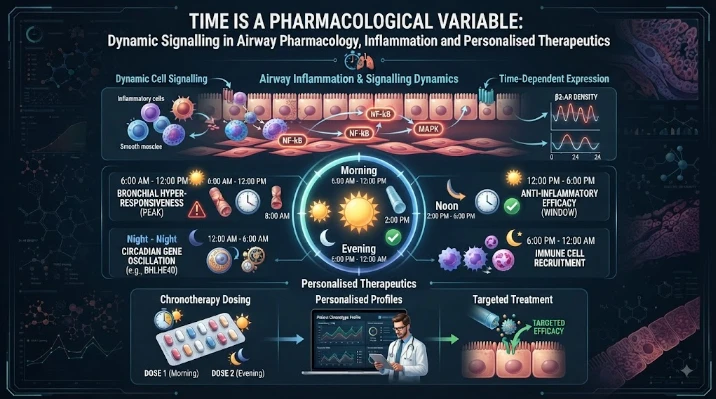
This article argues that time should be treated as a core pharmacological variable in airway disease rather than as a simple dosing convenience. Receptors can activate, desensitize, internalize, recycle, and signal on different timescales, while inflammation and chronic treatment can further modify responsiveness. The beta-2 adrenergic receptor is used to show how bronchodilation, beta-arrestin recruitment, receptor internalization, oxidative stress, and inflammatory signaling can produce differ
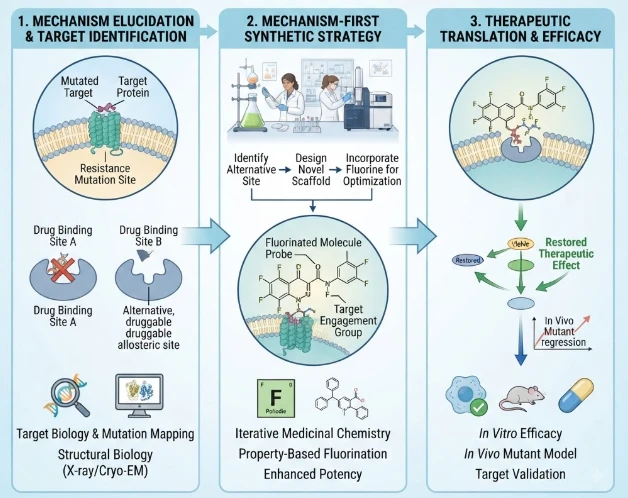
This article treats fluorination as a resistance-aware medicinal-chemistry decision rather than a universal optimization tactic. A fluorine substitution may strengthen binding while increasing dependence on a mutable residue, transporter, metabolic pathway, or activation mechanism. The workflow therefore combines electronic and conformational tuning with structural mutation maps, resistant-cell sequencing, target occupancy, and exposure measurements. Fluorine position, local electrostatics, bind
This article presents closed-loop medicinal chemistry for infectious-disease enzyme targets as a learning system that balances potency, pathogen penetration, synthesis feasibility, safety, and resistance. Structural information can guide inhibitor design, but whole-cell and intracellular assays are needed to determine whether compounds reach the target and disrupt the intended pathogen pathway. The article links enzyme potency, cellular uptake, target occupancy, metabolic collapse, pathogen kill
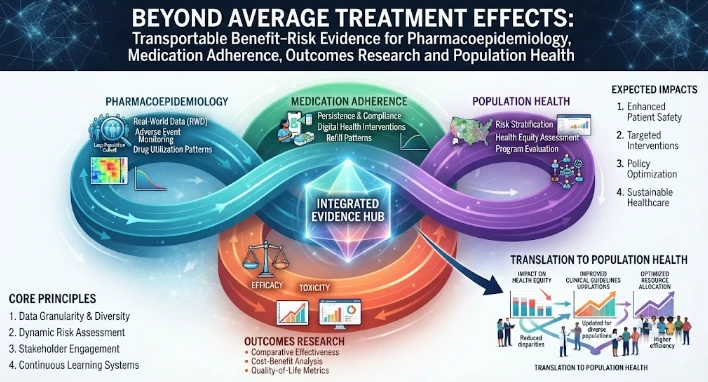
This article examines when treatment-effect and benefit–risk estimates from population pharmacoepidemiology can be transported to new settings. It argues that baseline risk, treatment indication, adherence, competing therapies, healthcare context, and outcome definitions can differ enough between populations to change both relative and absolute effects. Transportability therefore requires defining a target population, identifying relevant effect modifiers, checking overlap between source and tar